
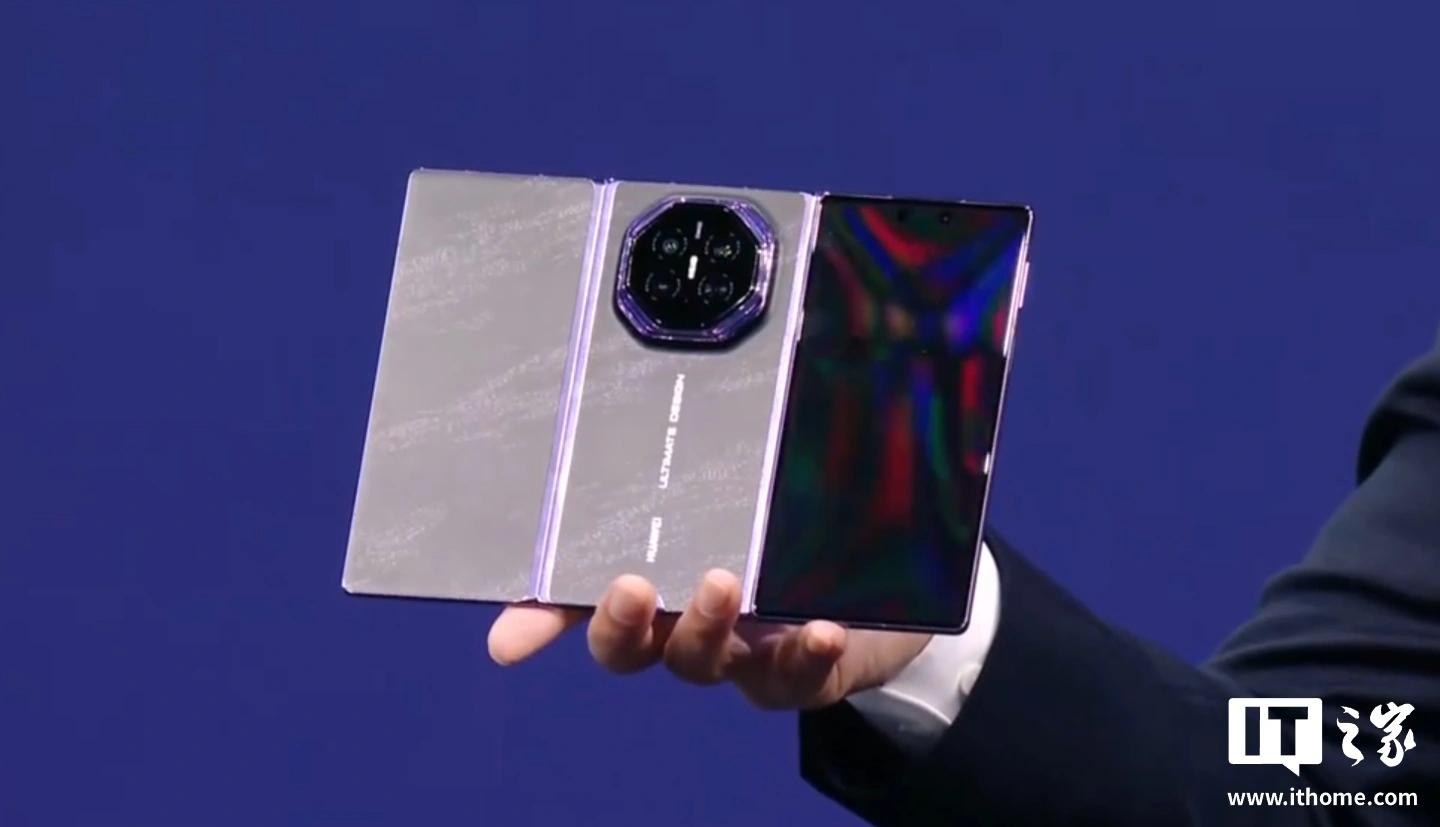
 early three thousand dollars for a phone is enough to buy a flagship smartphone, an excellent work laptop, and still have cash left over for a proper vacation. Huawei has officially rolled out the tri-fold Mate XT 2 Extraordinary Master, packing a full-fledged tablet into your pocket. The base 16/256 GB configuration starts in China at $2,955, while the top-tier 2 TB variant bundled with a stylus climbs to a staggering $4,430. This device is purely an engineering statement, but everyday buyers need to understand how this complex mechanical setup feels in hand day to day.
Thickness and Three-Panel Ergonomics
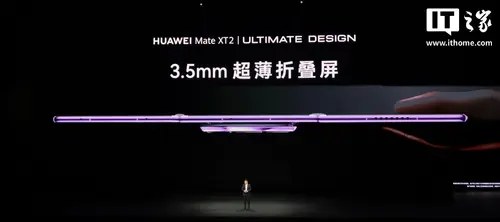
The device unfolds at two points using a G-shaped folding mechanism. Fully opened, the chassis measures just 3.5 mm thick—holding such an ultra-thin slab feels genuinely unusual, while folded, you are left with a chunky 12.3 mm brick. That is noticeably bulkier than a standard candybar phone, though for three screen layers, the profile is impressive.
The main internal panel features a 10.2-inch 3K display, turning the handset into a compact productivity monitor. Once folded, it relies on a 6.5-inch cover screen boasting a peak brightness of 6,500 nits, keeping visuals fully legible even under direct midday sun.
"Fully unfolded, the chassis measures just 3.5 mm thick, while folded it reaches 12.3 mm."
The phone comes in black, white, and purple finishes, lending the hardware a strictly understated, premium look.
Hinge Protection and Internal Specs
Complex moving parts raise obvious durability concerns, yet engineers claim an IP58/IP59 ingress rating. For a setup with dual external hinges, this represents a serious defense against rain, though dropping the phone onto beach sand remains a terrible idea: fine abrasive particles will quickly ruin any hinge mechanism.
Under the hood runs a Kirin 9050 Pro chipset paired with a Ma Liang GPU that supports hardware-accelerated ray tracing in games. The software side is handled by HarmonyOS 7 with support for the proprietary M-Pen 3 Mini stylus, designed for quick handwriting on the massive workspace.
A particularly practical feature is the Lingdun hardware privacy system, which dims the display for side observers by controlling pixel light direction. There is no need for third-party privacy screen protectors—the panel natively shields banking info and private chats from nearby commuters.
Cameras and Practical Value
The camera system skips compromises: the main 50 MP sensor features a variable f/1.49–f/4.0 aperture to handle changing light, a 50 MP periscope module offers 3.5x optical zoom, and a 40 MP ultrawide sensor covers panorama shots. For extreme long-range photography, Huawei sells an optional optical teleconverter for around $221, pushing zoom capabilities up to 13.5x.
The Mate XT 2 is a remarkable technological showpiece, but an impractical replacement for a daily driver. The delicate multi-hinge design turns an expensive device into a source of constant screen anxiety, while the $3,000 baseline firmly positions it as a niche executive status symbol. Carrying a hefty three-layer sandwich in your pocket looks effortless only in glossy promotional renders.