
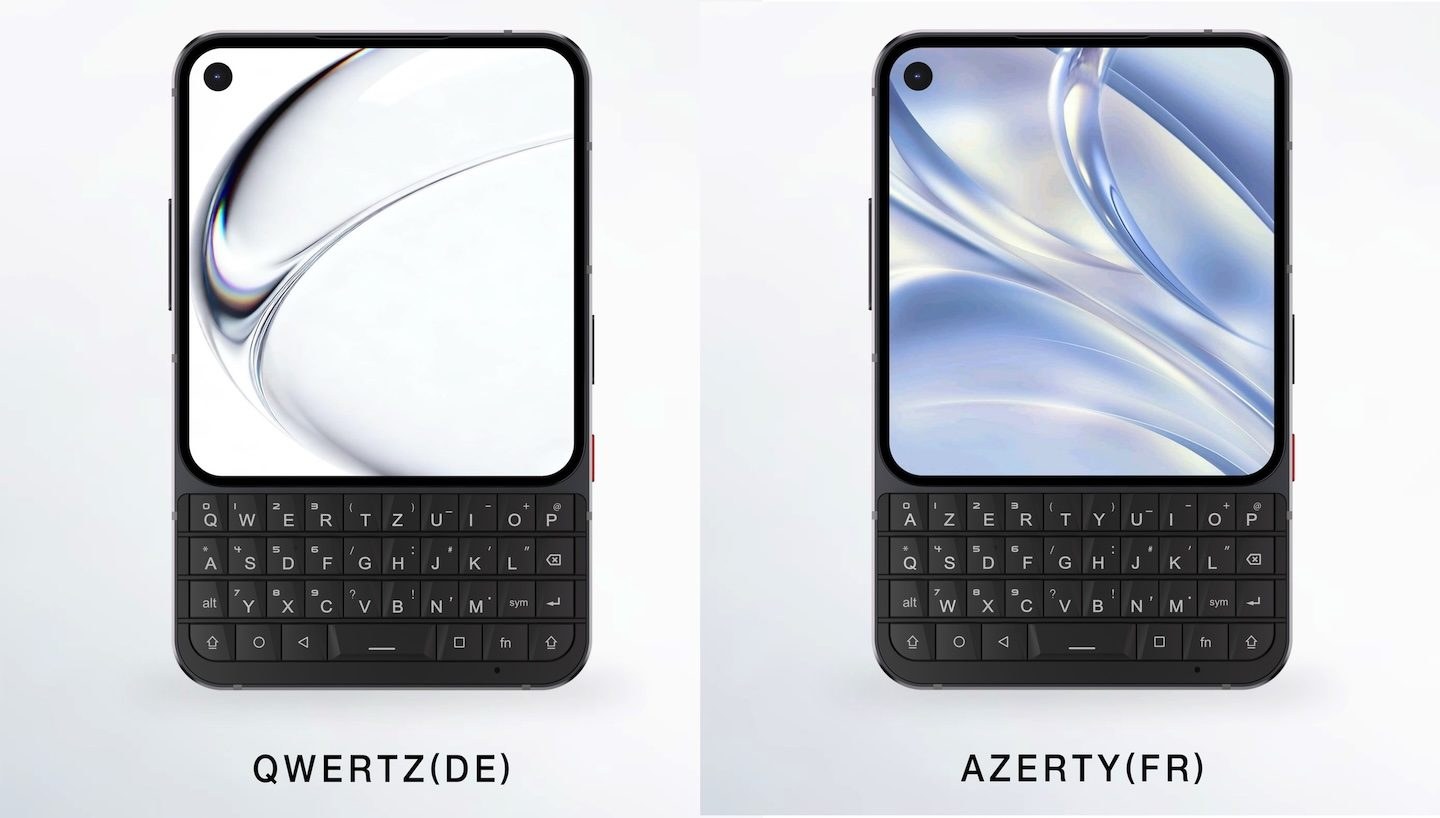
 hysical keyboards on smartphones died out ages ago. Anyone who has to type a lot on a phone now suffers through flat glass. Unihertz stubbornly clings to this tiny niche for those who categorically refuse to hammer out long messages and work emails on a touchscreen.
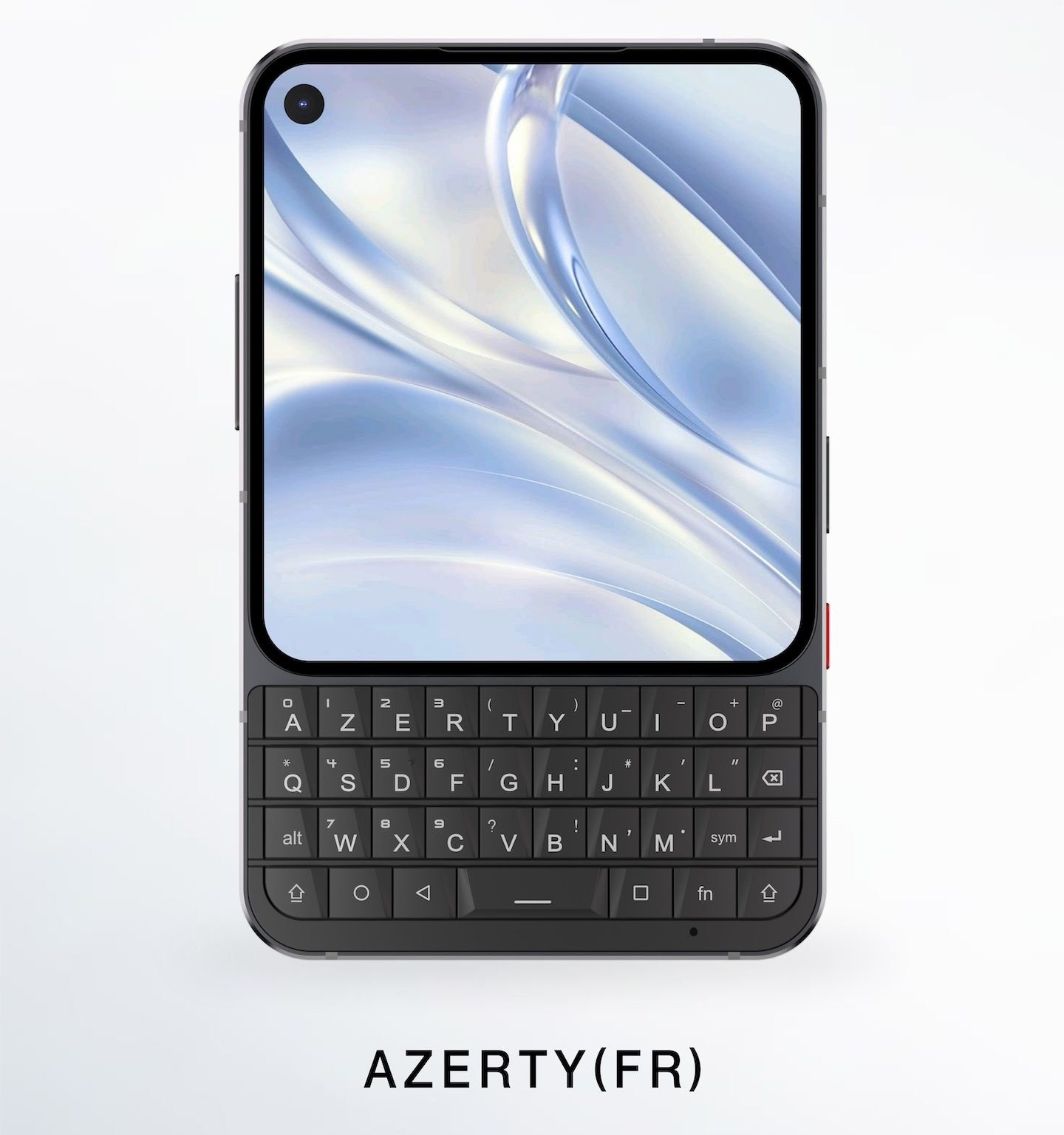
In late October, Unihertz teased AZERTY and QWERTZ keyboard layouts for the rugged Titan 2 Elite smartphone on X (formerly Twitter), calling it a first look and asking users for feedback. Right now, the Titan 2 Elite is only sold with the familiar QWERTY layout. Meanwhile, AZERTY is standard in France, while QWERTZ is the go-to for Germany and a couple of other European countries. These layouts differ not just in letter placement, but in punctuation, special symbols, and typing logic.
You can change the language in Android settings without any issues, but the operating system won't magically redraw the letters on the physical keys. Typing blindly on an unfamiliar layout is a deeply questionable pleasure. For anyone used to AZERTY or QWERTZ, getting native buttons right on the chassis is a genuine rescue, not a toy.
Internals and ergonomics: buttons vs pixels
Unihertz Titan 2 Elite combines a modest 4.03-inch AMOLED screen (organic light-emitting diode: rich colors and deep blacks) with a full mechanical keyboard right beneath it. The screen resolution is 1080×1200 with a 120 Hz refresh rate (smooth visuals in the interface and during scrolling). The main upside: the keyboard doesn't steal space from the touchscreen for virtual buttons, so you can write texts and edits using real, physical keys.
The keyboard can also double as a trackpad (touch-sensitive panel for cursor control). You can swipe your finger across it to scroll pages or move the cursor. On top of that, you can assign apps to launch directly from specific keys. It's genuinely handy when you don't feel like constantly reaching for the display.
The keyboard doesn't steal space from the touchscreen for virtual buttons, so you can write texts and edits using real, physical keys.
At 4.03 inches, the screen is noticeably smaller than any modern smartphone. Reading websites, watching videos, or zoning out in apps on something this size is a dubious adventure. The base Titan 2 Elite runs on a MediaTek Dimensity 7400 processor, packs 12 GB of RAM and 256 GB of storage, which you can expand with a regular microSD card in a shared SIM slot.
The smartphone runs on fresh Android 16, supports 5G (fifth-generation networks for fast mobile internet) and eSIM (a virtual SIM card built right into the chip), while the 4050 mAh battery charges at 33W over a wire. Camera-wise, you get a full set: a 50-megapixel main sensor, a 50-megapixel telephoto lens (zoom camera), and a 32-megapixel front camera. The standard QWERTY model comes in black and orange.
What this means for your wallet
For anyone who desperately needs a physical keyboard on the go, market alternatives practically do not exist. The Titan 2 Elite Pro is a separate, more powerful device running a MediaTek Dimensity 8400 processor with 512 GB of storage. Unihertz's Japanese campaign page even mentions optical image stabilization for the Pro's main camera.
The Titan 2 Elite originally kicked off on the Kickstarter crowdfunding platform (raising development funds directly from future buyers) back in March 2026, and direct pre-orders opened on the manufacturer's website in May. Right now, the official site lists the base QWERTY version, while pre-order deliveries for the Pro version are promised by December 2026.
The company has not yet announced exact pricing, release dates, or color options for the AZERTY and QWERTZ layout versions.
How the picture shifted
European buyers will avoid the friction of blind typing on mislabelled keys as Unihertz begins adapting its hardware buttons to regional typing habits. A niche rugged phone ends up with three distinct regional physical layouts around a screen measuring just 4.03 inches.