
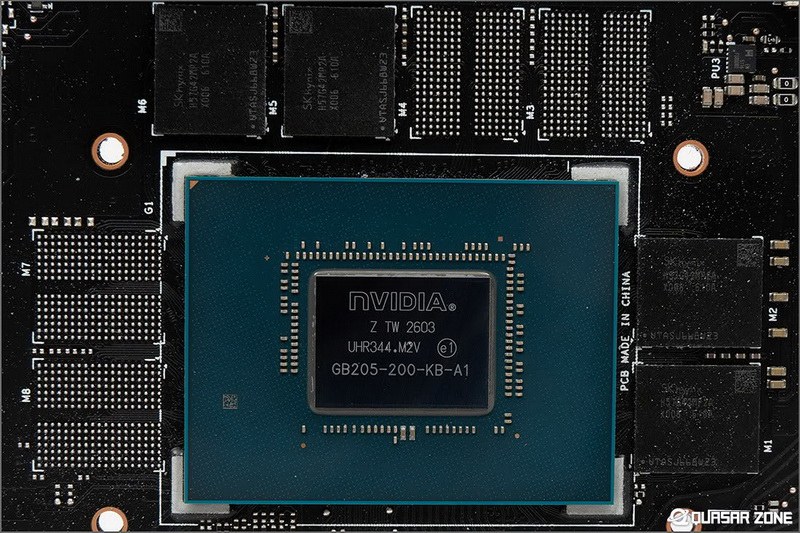
 xactly zero percent performance gain — that is what buyers actually get when trying to outsmart semiconductor economics. Tech forums recently flared up over non-standard graphics card variants after enthusiasts discovered that base RTX 5060 GPUs occasionally ship with silicon dies originally meant for the higher-tier RTX 5070. To an everyday gamer, this might sound like an unexpected windfall and a backdoor to near-flagship hardware at an entry-level price. In reality, Nvidia is offering no free upgrades.
Zero-waste manufacturing over charity
The mechanics behind this are strictly practical: it is textbook silicon harvesting for dies that failed quality control for the premium model. During semiconductor fabrication, some wafers inevitably end up with microscopic defects. Scrapping expensive silicon is unprofitable for chipmakers, so engineers simply disable the defective compute blocks at the hardware level using lasers.
As a result, a downgraded RTX 5070 die is trimmed down to precisely match standard RTX 5060 specifications. Flashing a custom BIOS will not unlock those disabled cores — they are physically and permanently severed.
What real-world benchmarks show
Independent gaming benchmarks clearly prove there is no hidden performance headroom. A graphics card running on a harvested die delivers the exact same frame rates as a standard retail model. Games run identically regardless of which die marking sits beneath the cooler.
Hunting for specific batch numbers or paying scalpers a premium is a waste of time and money. When shopping for a graphics card, stick to two grounded criteria: the final price tag and the quality of the cooling system, leaving stories of free hardware upgrades behind.