
 or years, syncing smart lighting with whatever plays on your TV meant swallowing a ridiculous premium. The HDMI-based Philips Hue Play Sync Box 8K demands around $385, creating an absurd barrier to entry for anyone who just wants ambient backlighting behind their panel. Budget camera alternatives happily filled that void by grabbing colors straight off the glass, bypassing HDMI passthrough headaches entirely.
Now Philips Hue is conceding ground to reality. At IFA 2026, the brand revealed a lineup built to strip away setup friction and trim hardware bloat. Instead of forcing every media source through an overpriced splitter, the refreshed ecosystem introduces visual camera tracking alongside a more sensible passthrough box.
Cutting Costs with New Sync Options
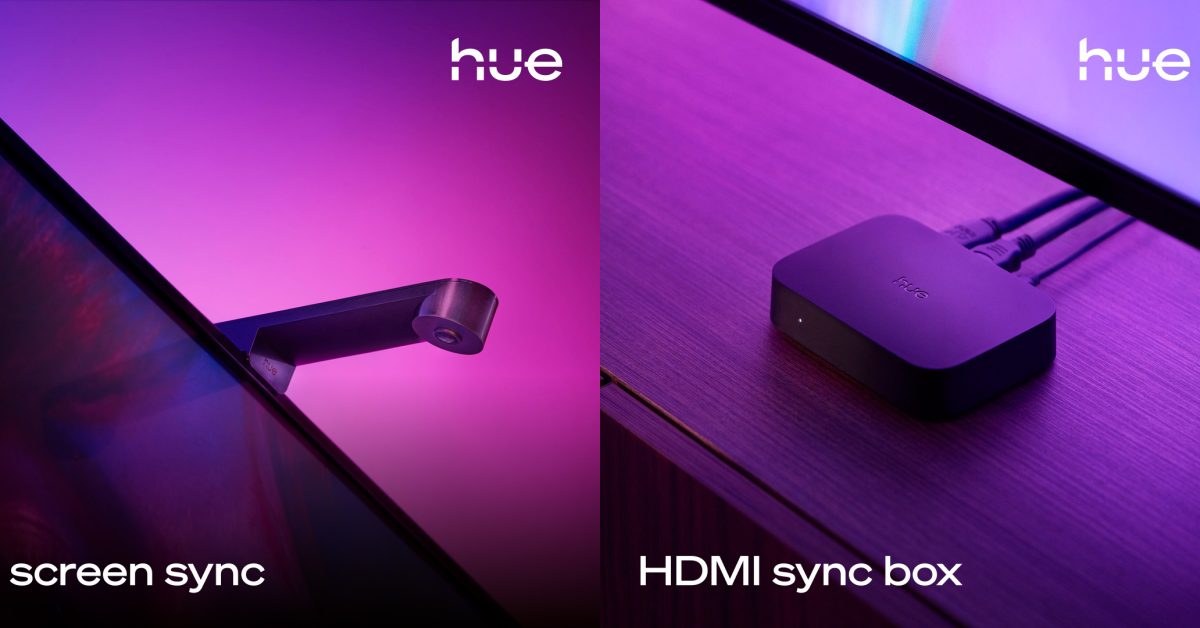
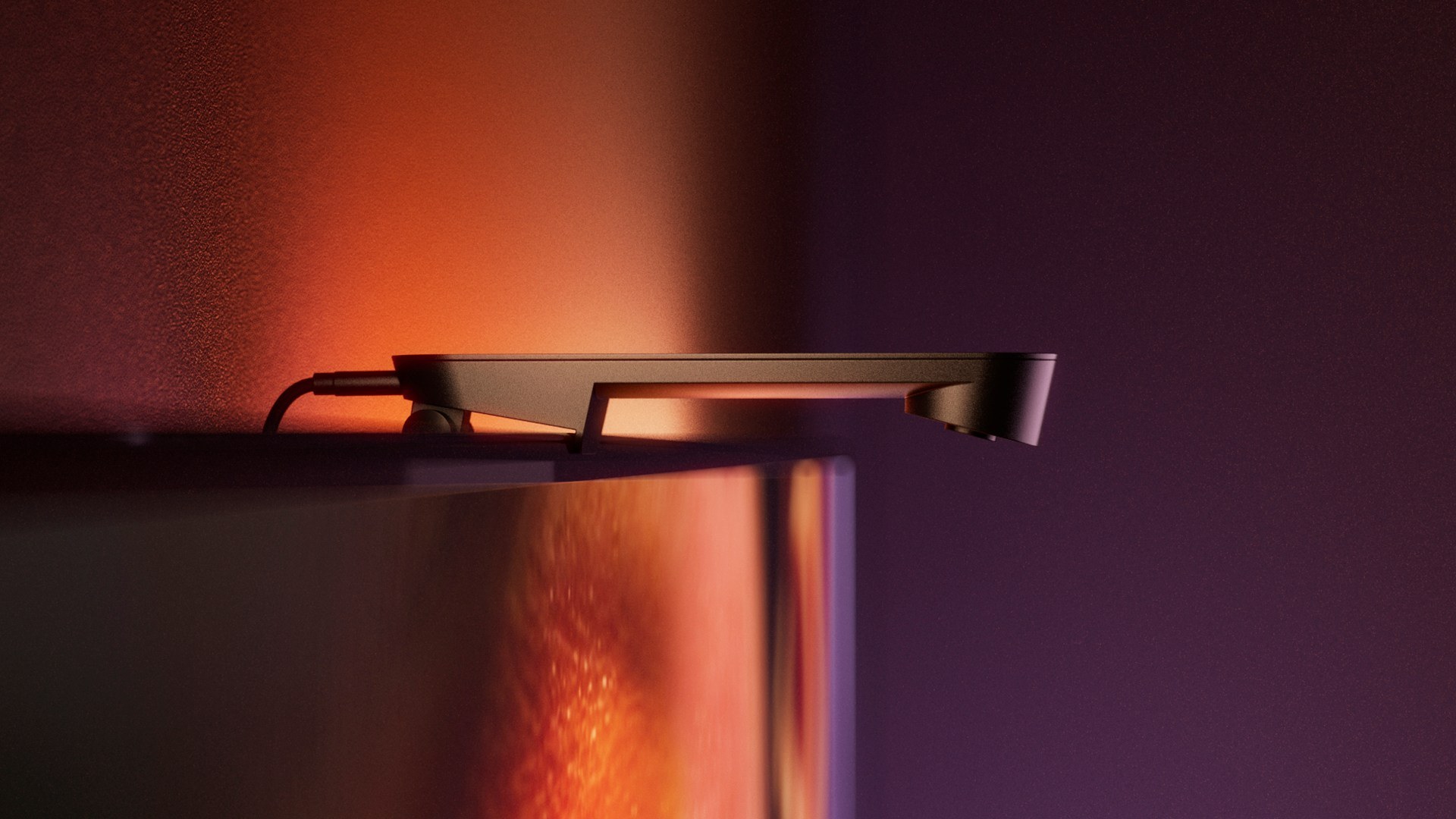
The most practical shift is the Philips Hue Play Screen Sync. The device mounts a fisheye camera atop your TV to read on-screen color profiles visually. Because it pulls data directly off the panel, native smart TV streaming apps like Netflix and YouTube finally sync lighting without requiring an external Apple TV or streaming stick routed through an HDMI maze.
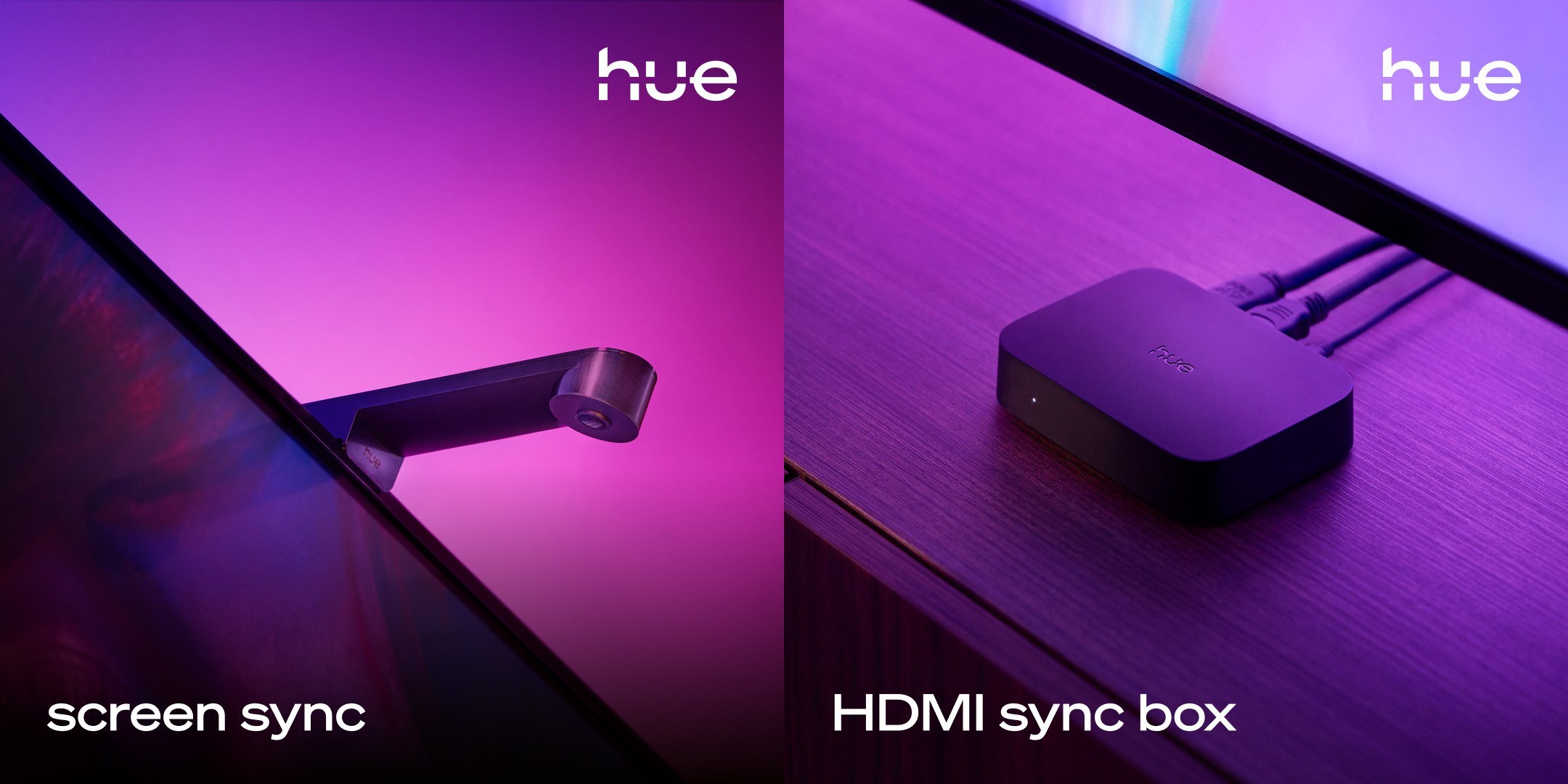
Both new Philips Hue sync box models can sync to devices via Bluetooth without requiring a Hue Bridge.
For setups built around AV receivers, the newly minted Philips Hue Play HDMI Sync Box 4K offers a pragmatic middle tier without the extortionate $385 tax of the 8K model. It strips down to a streamlined single-input feed while preserving reliable, latency-free hardware tracking. Crucially, both units now link to ambient lights over Bluetooth, discarding the mandatory Hue Bridge for basic living room layouts.
Big Strips, Nanoleaf Links, and Smarter App Controls
The hardware updates arrive with overdue cross-brand compatibility. Philips Hue rolled out extended gradient lightstrips accommodating displays up to 100 inches, alongside native integration for Nanoleaf shapes via the Wall Light Module. Rather than wrestling with third-party automation bridges, your wall-mounted Nanoleaf panels can now mirror Hue lighting scenes seamlessly.
Software refinements also plug long-standing holes across iOS and Android. A native cloud backup and restore tool finally protects custom lighting zones during phone upgrades, while incoming natural-language automation tools land later in fall 2026. Bypassing the old $385 tollbooth makes this Hue lineup an overdue correction: you no longer need an engineer's patience or an enterprise budget to light up the wall behind your TV.