
 f you ever wanted Microsoft to strip Windows 11 of background telemetry, bloatware, and consumer cruft to give you a lean, responsive workstation, that build finally exists. Microsoft calls it Project Zenith. The catch is that Redmond is gatekeeping this de-bloated environment behind an aggressive hardware barrier: a mandatory baseline of 64 GB of unified memory and upwards of 250 GB/s of bandwidth.
Redmond pitches the build as a practical shield against runaway cloud API bills:
"a ready-to-code distraction-free Windows experience on developer-class devices with 64 GB+ unified memory and 250+ GB/s memory bandwidth"
To bypass metered cloud endpoints, Zenith ships pre-loaded with Visual Studio Code, GitHub Copilot, PowerToys, Python 3.14+, Node 24+, and .NET 10, backed by OS-level execution containers and enterprise identity management. The objective is running 30-billion-parameter neural networks entirely on local silicon.
The Hardware Toll
While running 30B+ local models without paying per-token subscriptions sounds appealing, the silicon required to actually feed those weights divides personal computing down the middle. Local language models do not just require bulk RAM—they choke without massive memory bandwidth to pipe data to the compute cores. That leaves standard dual-channel DDR5 desktop rigs and mainstream laptops entirely locked out.
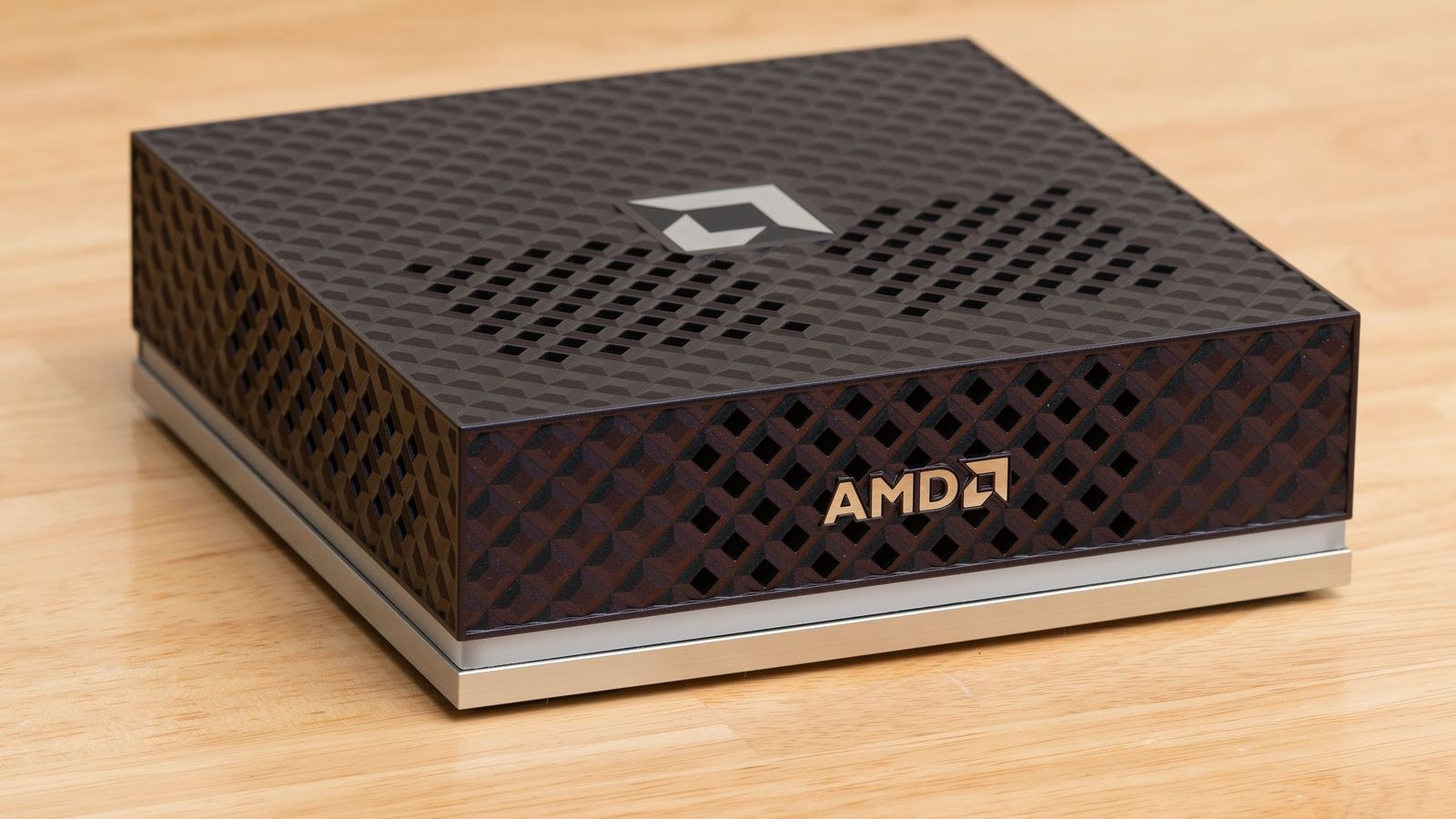
Project Zenith will debut exclusively on AMD's Ryzen AI Halo platform before trickling out to other vendors. At retail, Micro Center lists a launch configuration powered by an AMD Ryzen AI Max+ 395 chip, 128 GB of LPDDR5x-8000 memory, a 2 TB SSD, and Radeon 8060S graphics at a steep $3,999.99.
Microsoft has technically delivered the distraction-free, bloat-free operating system power users spent years asking for. But instead of releasing an installer for existing hardware, it locked the software behind an enterprise-class personal AI workstation pricing tier.