
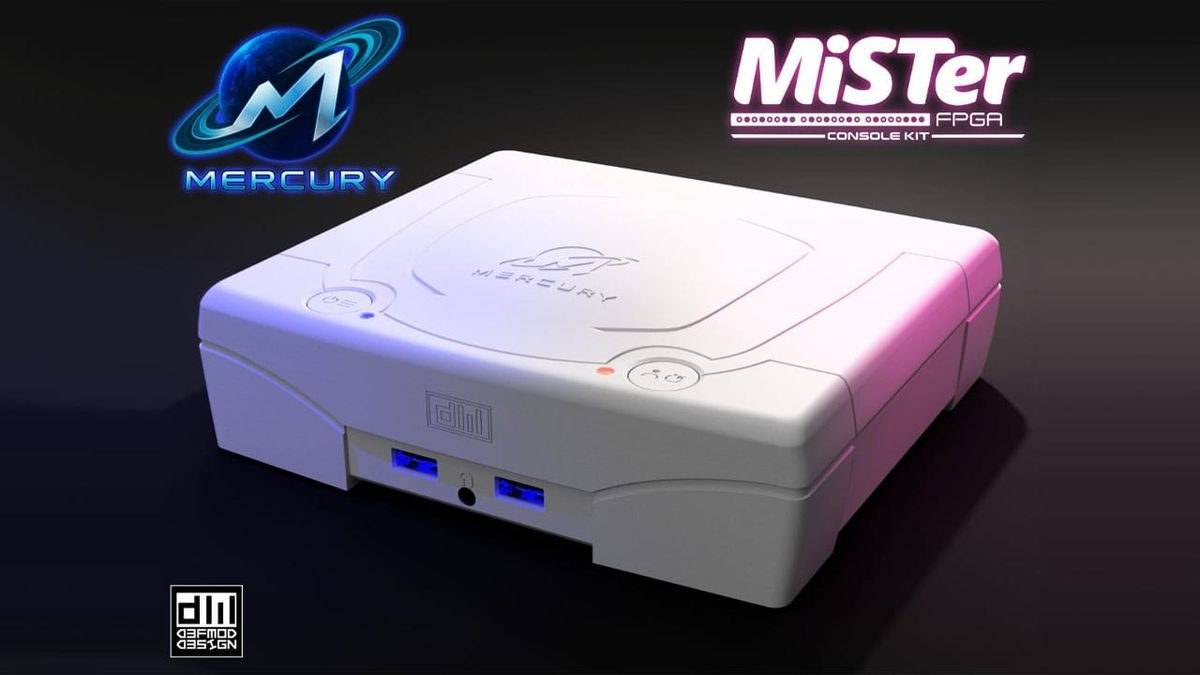
 f you are tired of praying to software emulators that crash every time your operating system sneezes, or refuse to pay scalpers for yellowing plastic from the nineties, the hardware modding scene has a direct answer. The MiSTer FPGA project gained massive traction in the retro-gaming world for a simple reason: instead of running games through clunky software layers, it replicates vintage console hardware right down to the silicon level. Now, this versatile logic board is getting a massive physical upgrade thanks to custom builder kits.
Community developer Df3mod has opened pre-orders for the Mercury kit, which transforms the generic board into a precise visual replica of the Sega Saturn. Ironically, Mercury was the original code name for the Saturn itself, meaning the project hits the absolute sweet spot for nostalgic die-hards. The base kit starts at a seemingly reasonable 229 euros, but that is merely your entry ticket to the ruthless world of garage modifications where every optional extra hits your bank account directly.
The base kit starts at a seemingly reasonable 229 euros, but that is merely your entry ticket to the ruthless world of garage modifications.
The Economics of Custom Hardware
Assembling a finished console from modular parts is an exercise for anyone willing to read technical datasheets very carefully. On top of that 229-euro base price, you will pay extra for nearly every critical component: a 128MB SDRAM memory module tacks on another 55 euros, a chunky heatsink costs an extra 10 euros, and a Wi-Fi and Bluetooth module will set you back 15 euros. Once you start factoring in original controller ports and specialized video adapters, the final cart total multiplies quickly.
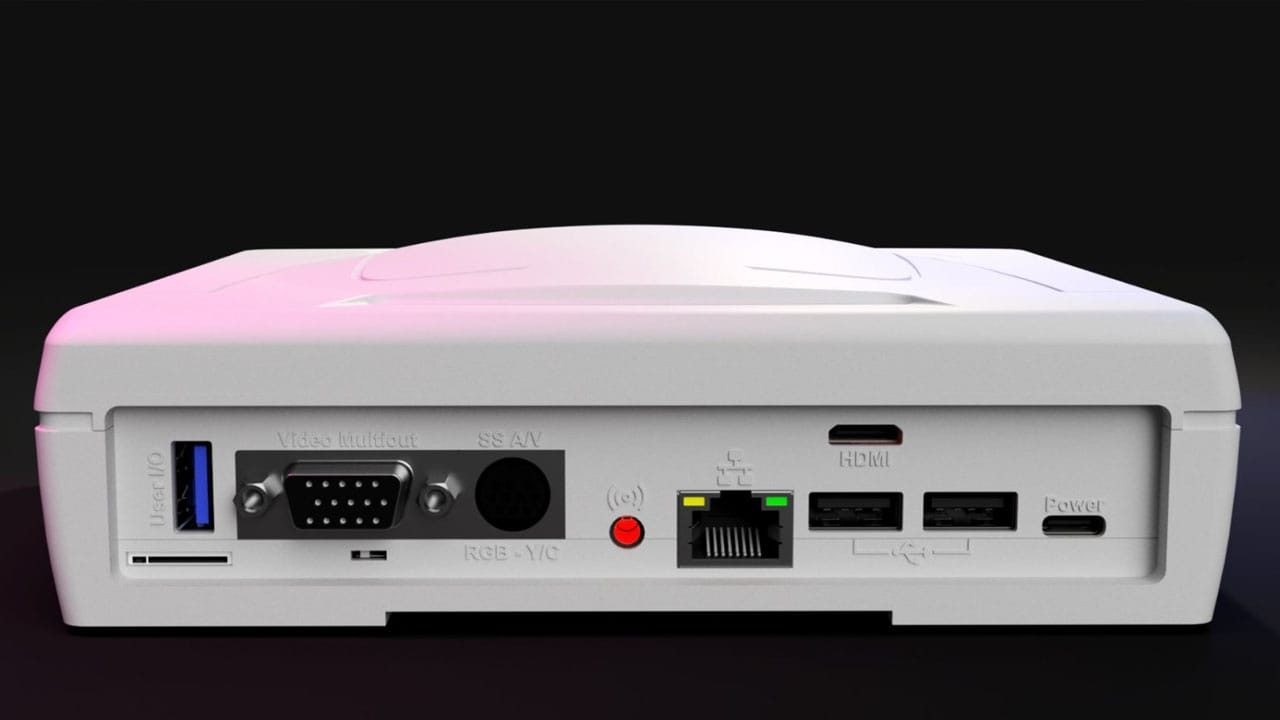
Yet the creators approach this market with brutal garage honesty. As Df3mod notes in the product specifications, the Mercury drops support for legacy composite video entirely, choosing instead to offer VGA, a Sega Saturn-style MiniDIN port, and a 24-bit DAC. But the golden rule of this niche market is unforgiving: once you place your pre-order, it is entirely non-refundable. You have to do your math and figure out your budget before you ever touch the checkout button.
Projects of this scale prove that independent builders are willing to service hardcore retro enthusiasts in ways massive consumer electronics corporations simply will not touch. The real question is whether you are willing to pay hand-assembled artisan prices for the luxury of playing vintage classics without input lag. When the purchase terms lock you in with zero right of return, it is a magnificent incentive to double-check your checking account balance before chasing childhood memories.