
 adio enthusiasts have long grown accustomed to paying heavily for specialized radio hardware, while manufacturers of ordinary wireless chips accidentally leave behind backdoors that open up the entire airwaves. Following recent discoveries in ESP32 chips that exposed hidden radio signal capabilities, a wave of similar security findings has now reached mainstream Wi-Fi adapters.
A Silicon Glitch Worth Hundreds of Dollars
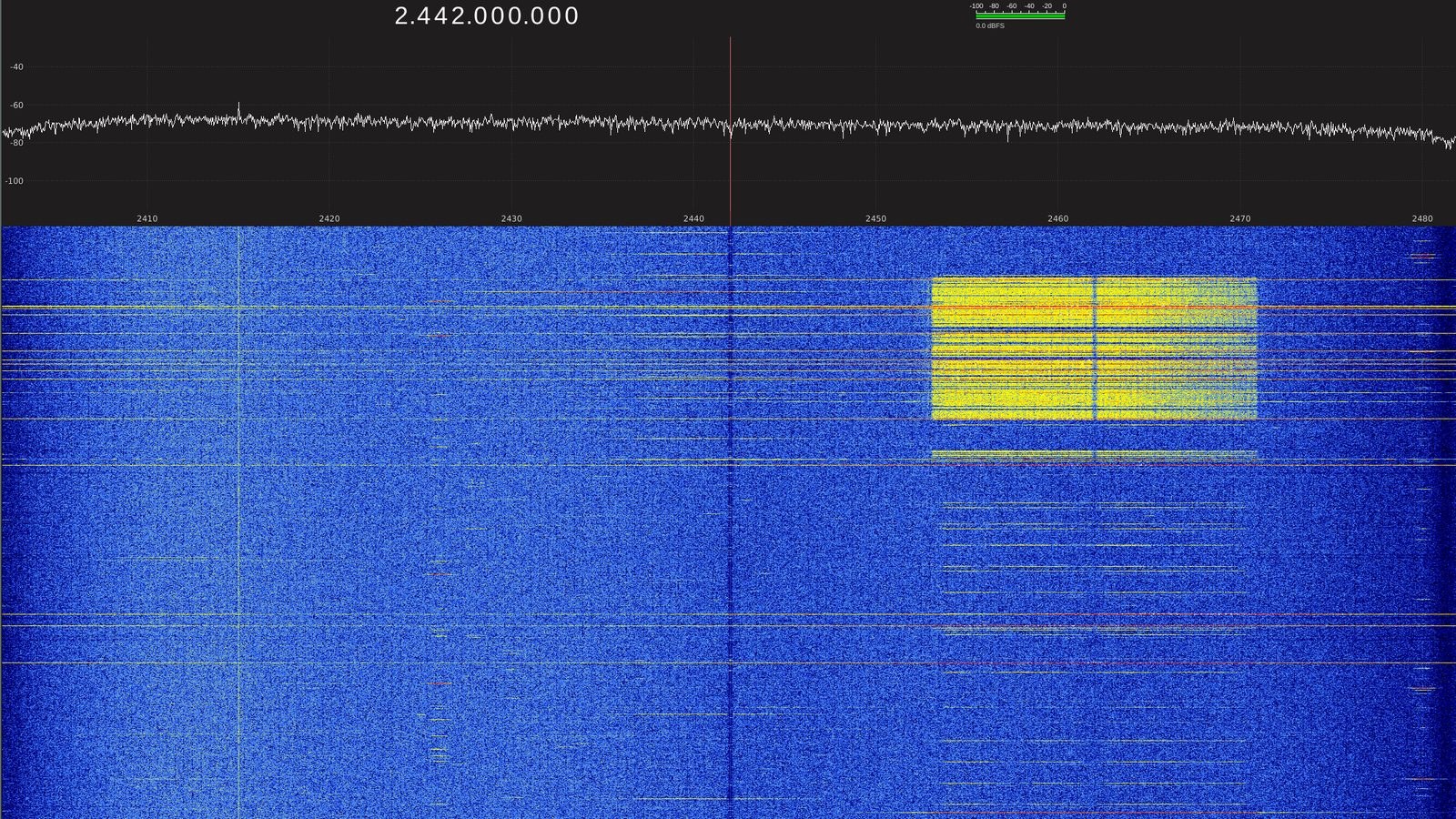
According to the BirriaSDR project, the popular MediaTek MT7921AU wireless chip quietly spews raw radio frequency data outward, even though the feature was originally designed exclusively for factory debugging and calibration. Instead of shelling out hundreds of dollars for professional testing equipment, enthusiasts suddenly found a way to turn an ordinary network adapter into a software-defined radio system without touching the internal firmware.
BirriaSDR uses libusb to directly communicate with the Wi-Fi adapter and access its registers
Because all communication with the internal registers happens directly through the libusb library, the adapter easily returns to its normal networking duties after a reboot, leaving no permanent alterations behind.
What This Means for Your Wallet
For anyone keeping an eye on hardware costs, this silicon oversight spells trouble for the monopoly held by expensive, dedicated radio gear. Furthermore, this particular MediaTek chip, following earlier discoveries around the MT7996, effectively gains a second life through its external antenna port, which makes hooking up custom measurement setups a straightforward task.
The Wi-Fi adapter in use can also simultaneously work in monitor mode and stream SDR data, though this only works when automatic gain control is enabled
Yet, before anyone rushes to throw away their existing gear, it is worth noting that the method remains far from a polished consumer product. It demands a firm grasp of the command line interface, and running hardware in unauthorized diagnostic modes often leads to crashes and unpredictable data streams.
Enthusiasts are already pushing these leaked debugging hooks to their absolute limits, but a stable, out-of-the-box consumer utility is still a long way off. Purchasing a standard network adapter today purely for radio experiments makes sense only if you have plenty of patience and a genuine appetite for debugging raw code.