
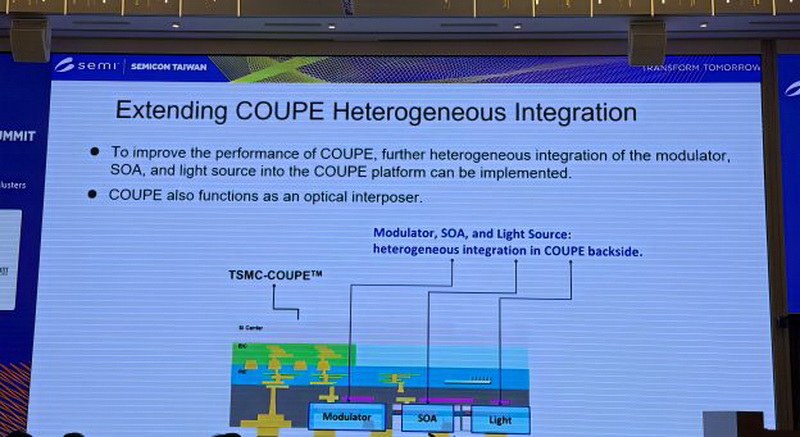
 utonomous AI agents burn five times more tokens than standard user prompts. Every time your phone generates a smart summary, cleans up a voice recording, or touches up a photo via the cloud, miles of copper traces in data centers glow white-hot. The real bottleneck for modern neural networks long ago shifted from raw mathematical calculations to basic data transport: processors consume massive amounts of energy simply shuttling bits of information to one another over wires, hitting a solid thermal wall.
Lasers replacing copper wires
To boost data center performance 50-fold without triggering an explosive surge in power bills, semiconductor giants like TSMC are pairing 3D chip packaging with silicon photonics. In plain terms: instead of overheating copper traces, data transfers between dies now rely on microscopic pulses of light.
This is no marketing gimmick; it is an effort to curb the spiraling power appetites of big tech. The scale of the challenge is clear: while cloud platform Azure already generates a third of Microsoft's revenue and server manufacturer Foxconn saw its August revenue jump 52% on AI momentum, server infrastructure is literally choking on heat and soaring electric bills.
What actually changes for consumers
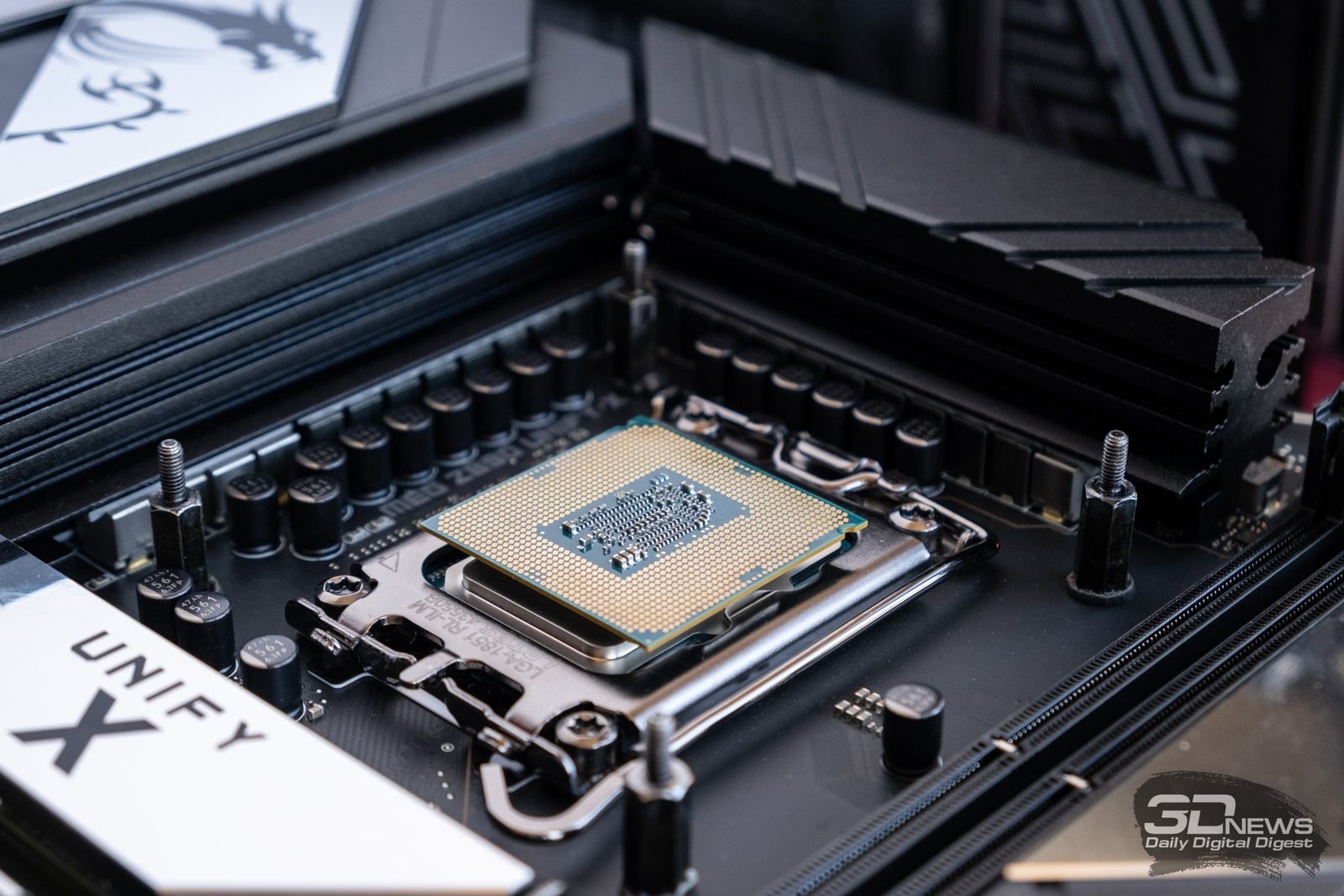
Don't expect optical processors in laptops or smartphones anytime soon. Light-based interfaces will remain exclusive to massive server farms—average users simply have no need to pipe terabytes of data between dozens of chips every second.
The real benefit for device owners comes down to money. Photonics will drastically cut server compute costs for cloud providers. As a result, hardware brands and digital services will not be forced to jack up monthly subscription prices just to keep basic AI features running on our phones.