
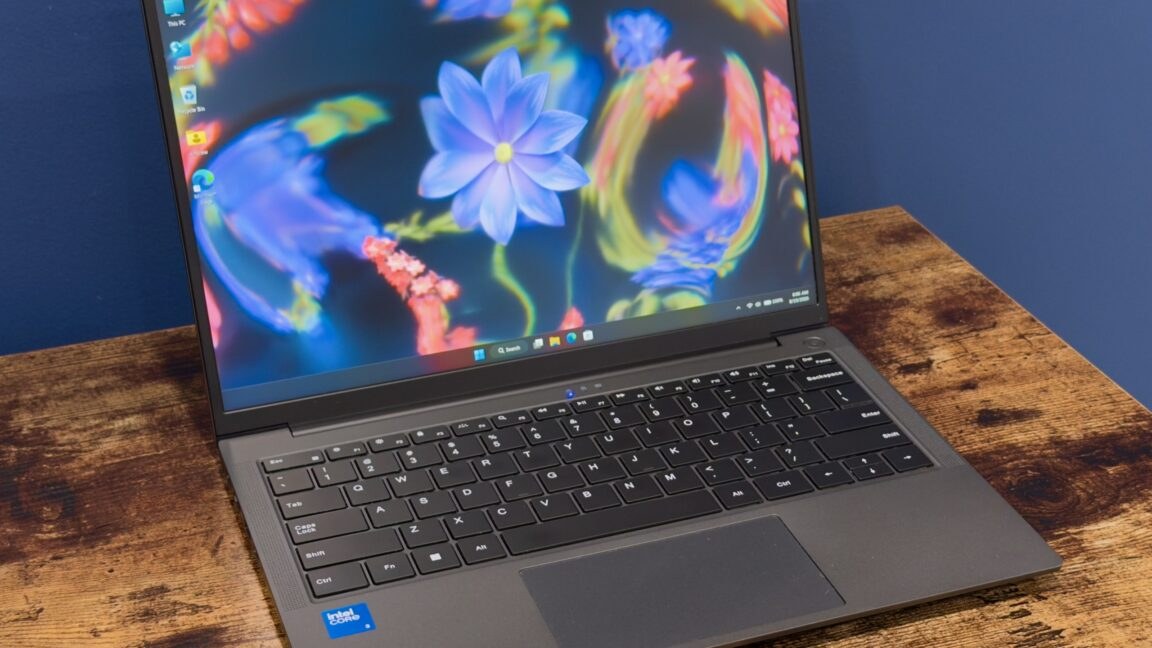
 inding a capable laptop on a tight budget has become an exercise in frustration. When Apple introduced the MacBook Neo, it briefly promised to reset expectations for affordable portables, but Apple raised its price by $100 just three months later. Meanwhile, legacy competitors failed to fill the gap at ultra-low price points. Dell's XPS 13 started at $599 strictly for students, requiring $699 from everyone else. Acer took a similar stance, announcing the Swift Air 14 at $699. This pricing vacuum left room for aggressive budget manufacturers to undercut the mainstream market entirely.
Chuwi stepped directly into that opening with the Unibook. The Chinese PC maker configured the laptop with 8GB of RAM and 256GB of storage at an introductory price of $449, against a listed normal price of $569. Under the hood, the Chuwi Unibook runs on an Intel Wildcat Lake processor, avoiding the industry's usual habit of recycling ancient chips for low-end hardware.
Ports and Practical Compromises
On the outside, the Unibook mimics a premium metal clamshell, though its chassis is mostly thin aluminum that flexes under pressure like most low-cost builds. Where the machine unexpectedly outshines pricier rivals is physical connectivity. Chuwi packed in two USB-C ports, an HDMI port, and a USB 3 port.
The Unibook far outstrips the port offerings of the MacBook Neo or the new XPS 13.
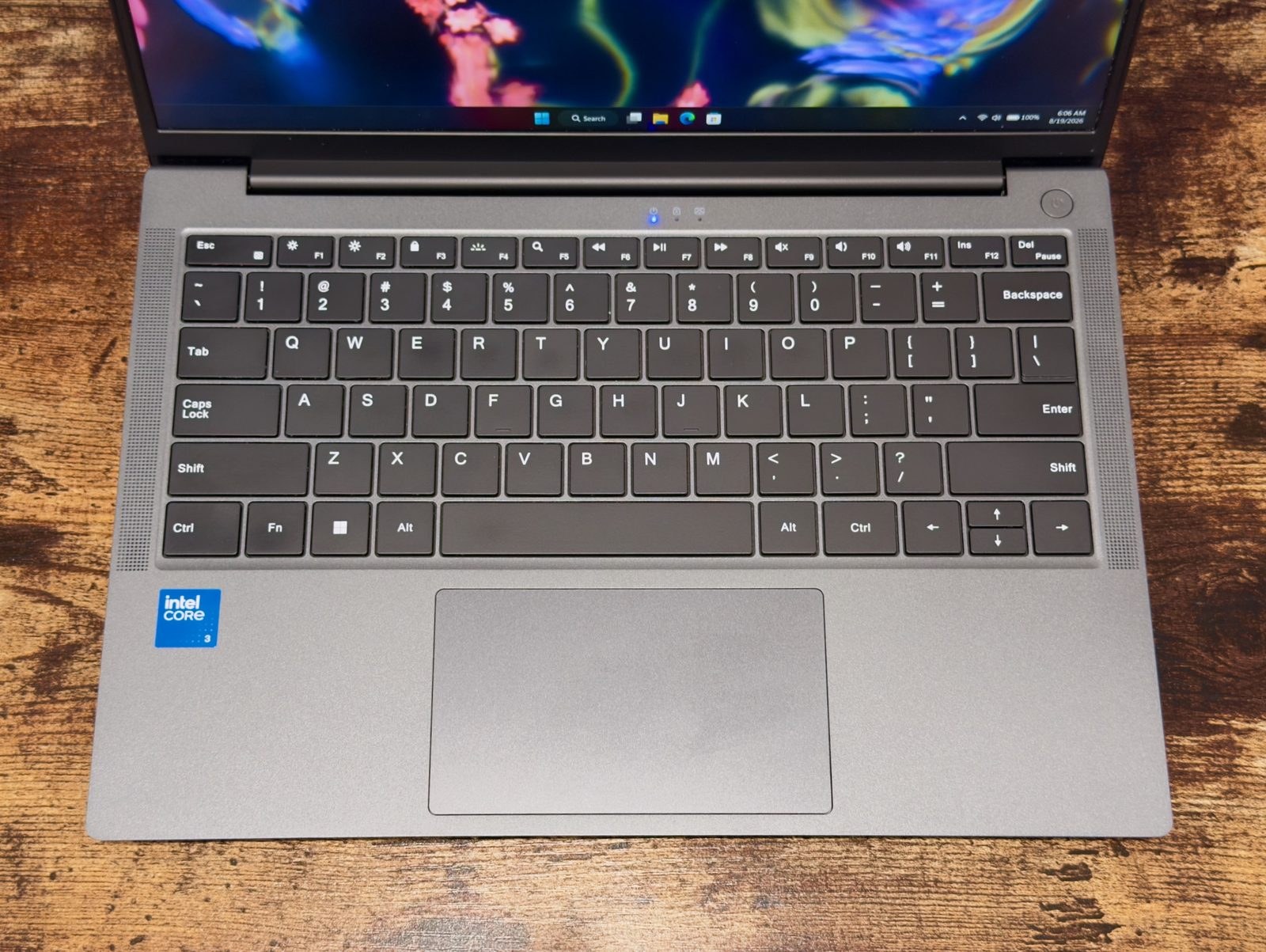
That wide array of ports means you can plug in monitors and legacy accessories without carrying a bag full of adapters.
What Gets Cut to Hit $449
Under the hood, the compromises become obvious when you look at everyday usability. While the keyboard delivers a surprisingly decent typing feel, the trackpad is notoriously mushy and inconsistent. You get real silicon performance for light daily workloads, but expect to live with modest display calibration, noticeable chassis flex, and an unrefined thermal curve if you push it past basic browsing.